By Jose Revilla
November 4, 2026
Residential plumbing systems rely on properly functioning pipes, fixtures, drains, and water heaters. Leaks, clogged drains, damaged pipes, and malfunctioning fixtures can interfere with everyday household activities and require professional attention. Understanding common plumbing problems and available services helps homeowners make informed decisions about repairs, replacements, and new installations. Because plumbing components serve different purposes throughout a property, it is helpful to consider how each part contributes to everyday water use and drainage. Keeping track of changes in fixture performance can also help homeowners describe a problem when arranging service.
Essential Residential Plumbing Basics
Residential plumbing systems include several connected components that support water delivery, drainage, and everyday household activities. Understanding the purpose of these components can help homeowners recognize when something may not be functioning as expected. Familiarity with common plumbing features also makes it easier to describe concerns and consider the services that may be needed.
Understand Residential Plumbing
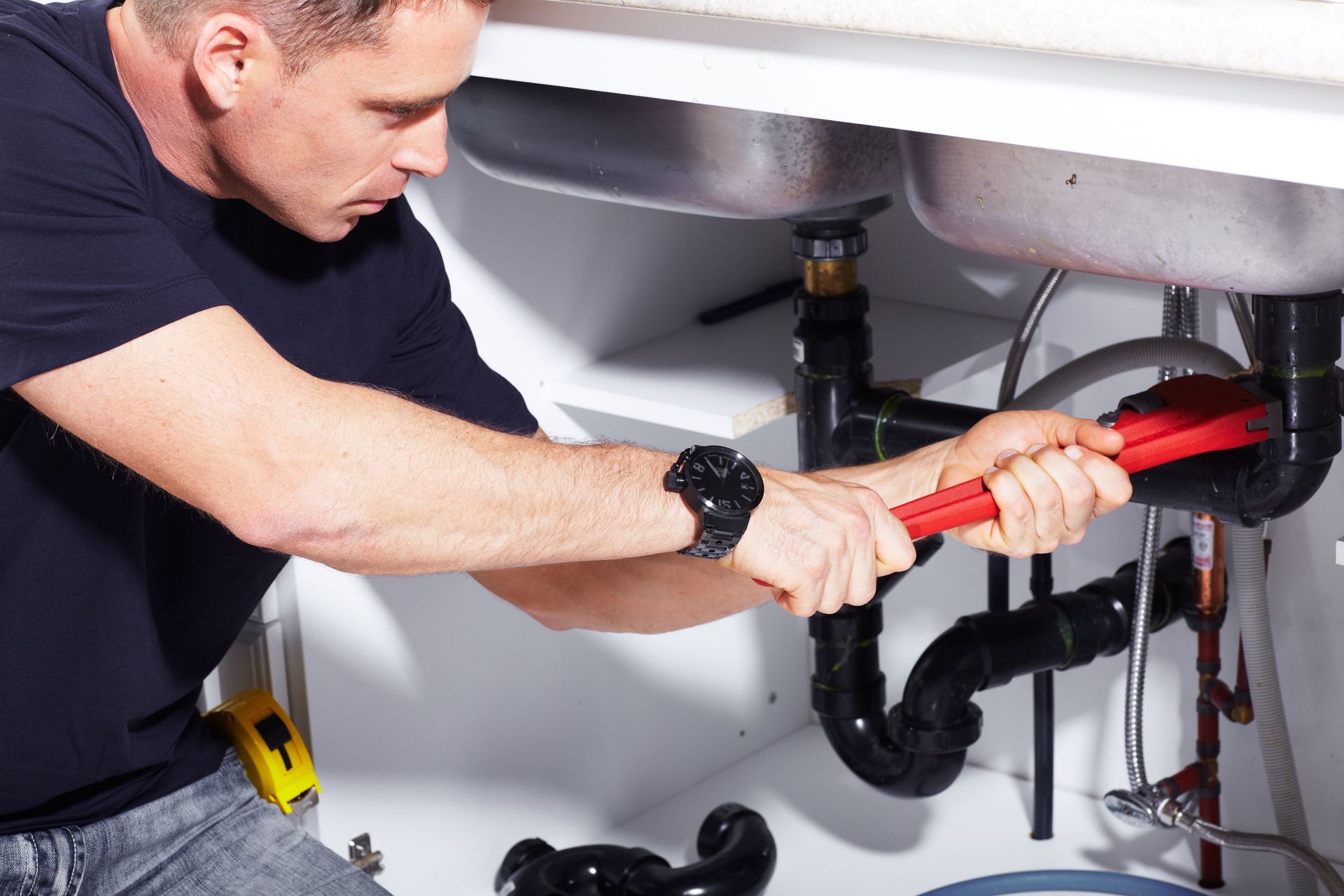
Residential plumbing systems include water supply lines, drain pipes, fixtures, and water heating equipment. Each component serves a different purpose, and problems with one part can affect the system's overall function. Plumbing contractors can help homeowners address leaking pipes, slow drains, faulty faucets, or water heaters that no longer provide adequate hot water. Water supply components deliver water where it is needed, while drains carry wastewater away from fixtures. Understanding these basic functions can make it easier to identify which part of the plumbing system may need attention. It also helps homeowners explain whether an issue affects one fixture or several areas of the property.
Recognize Common Plumbing Problems
Plumbing problems can develop in various parts of a home. Leaking faucets, clogged drains, malfunctioning toilets, and damaged pipes may interfere with everyday activities. Water leaks can also occur in less visible locations, including underground pipes and pipes beneath concrete slabs, where plumbing contractors may use specialized leak detection methods to locate the problem. Some plumbing concerns are easy to notice, while others may become apparent through gradual changes in how a fixture operates. Paying attention to recurring drainage problems, visible moisture, or changes in water delivery can provide useful information when describing an issue. The location and symptoms of a problem help determine which components may need closer inspection.
Address Plumbing Concerns Promptly
Changes in plumbing performance can indicate that a component needs attention. Dripping faucets, slow drainage, unusual water pressure, and inconsistent hot water are examples of issues homeowners may notice. Plumbing contractors can inspect affected components, identify potential causes, and explain available service options so homeowners can understand what work may be necessary. Describing when the issue began and which fixtures are affected can help clarify the situation during an initial discussion. Different symptoms may have different causes, so it is important to consider the specific circumstances rather than assume every problem requires the same repair. Clear information about the issue can help guide the next steps.
Important Plumbing Inspection and Repair Services
Plumbing inspections and repairs focus on identifying problems that affect pipes, fixtures, and drainage systems. The nature of the concern and the location of the affected component can influence how the issue is assessed. Understanding the difference between locating a problem and correcting it helps homeowners follow the general steps involved in plumbing repair.
Identify Plumbing Problems
Inspecting pipes, fixtures, and drains can help identify visible leaks, damaged components, and drainage problems. Some leaks require additional investigation because the affected pipes are concealed or located underground. Plumbing contractors can use specialized leak detection methods to locate these problems and determine where repairs may be needed. The location of a suspected leak can influence how the plumbing system is examined and which areas need attention. Visible signs may provide useful clues, but concealed piping can make it difficult to determine the source through appearance alone. Identifying the affected area is an important step in deciding what work may be appropriate.
Resolve Leaks and Pipe Damage
Water leaks can affect faucets, water supply lines, underground piping, and other plumbing components. Leak detection services help locate problems that may not be immediately visible, including slab leaks and sewer line leaks. Once the source has been identified, plumbing contractors can determine whether the appropriate solution involves repairing a damaged section or replacing pipes that require attention. The condition and location of the affected pipe help shape the scope of the repair. In some cases, the concern may be limited to one section, while other situations may require consideration of a larger portion of the plumbing system. Understanding the issue before work begins helps homeowners discuss the available options and the work involved.
Practical Water-Efficient Bathroom Faucets
Bathroom faucets are used regularly, making water flow an important consideration when selecting fixtures. Understanding faucet flow rates gives homeowners a practical way to compare available options. Fixture specifications can also help clarify how a faucet's water use relates to household needs.
Understand Water-Efficient Faucet Standards
According to the U.S. Environmental Protection Agency, WaterSense-labeled bathroom faucets use no more than 1.5 gallons per minute, reducing water flow by 30% or more compared with the standard flow rate of 2.2 gallons per minute. Choosing water-efficient fixtures can help households reduce water use without sacrificing everyday functionality. These specifications give homeowners a clear point of comparison when considering bathroom faucet options.
Select Suitable Bathroom Faucets
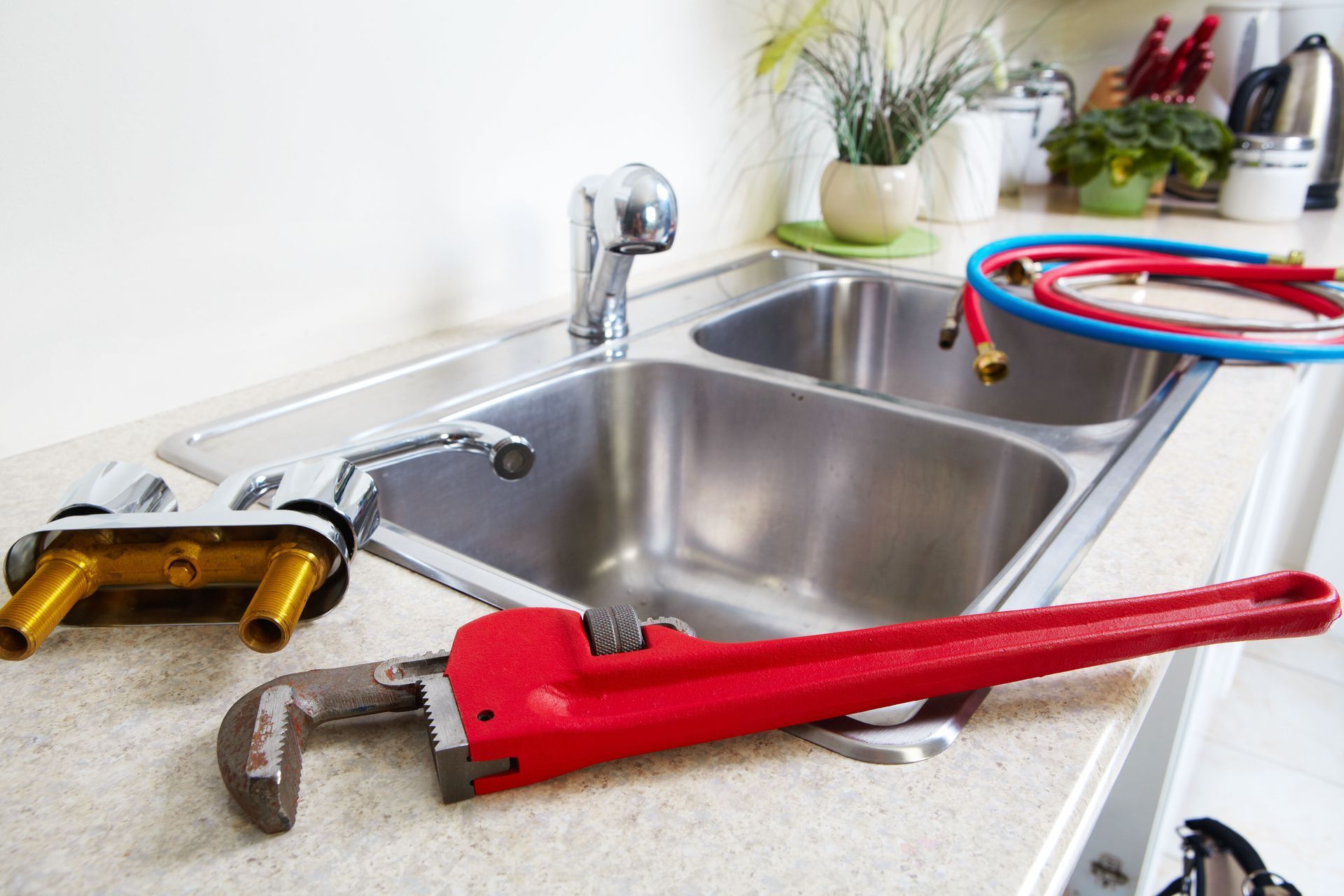
When considering a bathroom faucet, homeowners can review its specifications and intended use before choosing a replacement. The faucet should also be appropriate for the sink and its existing plumbing connections. Considering these details can help homeowners compare available fixtures and make a choice that suits their household needs. Plumbing contractors can help homeowners with faucet installation and discuss fixture options suitable for their plumbing systems.
Practical Fixture Installation and Selection
Fixture selection and installation involve considering both the product and the plumbing system it will connect to. Different fixtures have different purposes, dimensions, and connection requirements, so replacement projects may involve different considerations. Reviewing these details in advance can help homeowners understand the scope of a potential installation or upgrade.
Choose Suitable Plumbing Fixtures
Selecting plumbing fixtures involves considering their intended use and compatibility with the existing plumbing system. Faucets, sinks, and other fixtures serve different purposes, so their features and installation requirements can vary. Reviewing these details helps homeowners understand which options may suit a particular space. The condition of the existing connections may also affect the work involved in replacing a fixture. Considering the fixture and its installation needs together helps keep the project focused on the intended use.
Prepare for Fixture Replacement
Replacing a plumbing fixture involves more than selecting a new product. The existing fixture must be assessed, and the connections and surrounding components may need attention during installation. Understanding the scope of the work can help homeowners prepare for the process and discuss relevant questions with a plumbing professional. The type of fixture and the condition of the existing plumbing can influence the steps involved. Reviewing these factors helps clarify what the replacement may require before the work begins.
Plumbing issues can range from minor fixture leaks to damaged pipes or clogged drains that require professional attention. Choosing an appropriate service helps address the problem and restore normal plumbing function. JR Plumbing & Mechanical Services offers residential plumbing solutions for a range of household needs, and homeowners can contact the company to learn more about our available services and discuss their plumbing concerns. Whether the issue involves a faucet, a drain, or a pipe, understanding the problem is a useful starting point for determining the next step. Learning about the available service options can help homeowners prepare for a conversation about their plumbing needs.